


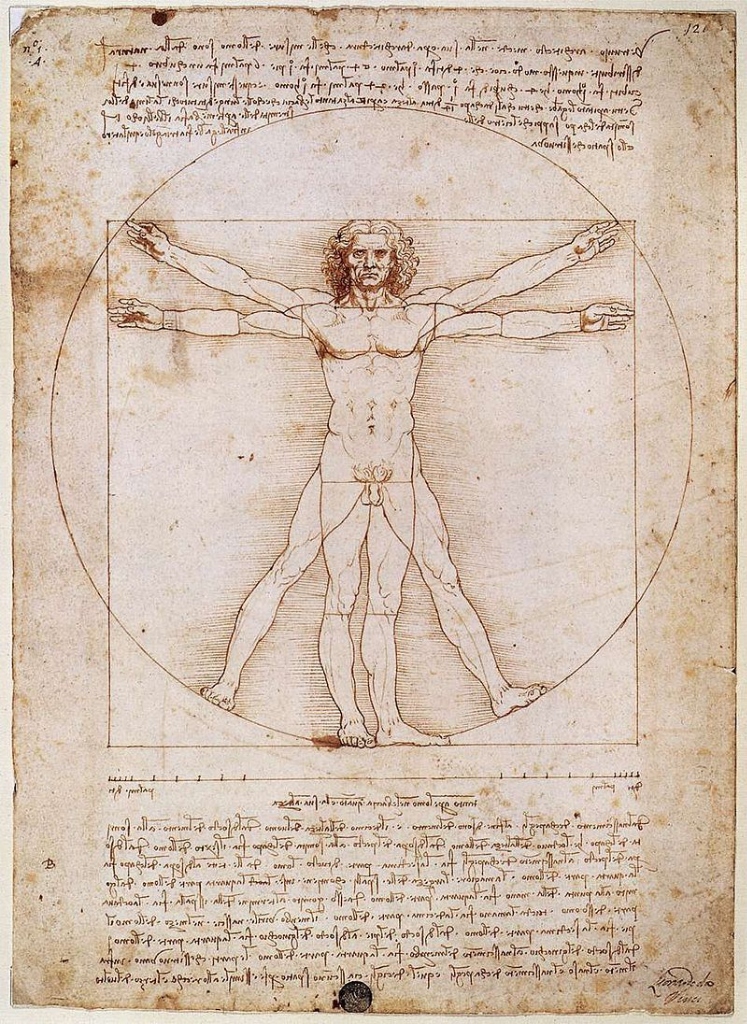
I’ve seen many times lately architects and students confusing form and concept. That for some concept is to think in a whimsical form, out of scale, and imagine it as an improbable building. The more extravagant the better. Nothing to do with architecture, and anything could fit, a fruit, an object, a strange form for the sake of being different.
And I don’t know where this come from, I guess from the colleges and architectural scene in the last decades. Some dazzling stars of the architectural world embarked on a formalist path that brought fame, money, and now it seems someone wants to emulate them. But that path is already well-trodden, and I don't think it leads anywhere.
The Ontological Idea
Concept is the ontological idea and method behind a project. Is the central, abstract, and guiding idea that unifies and gives coherence to a project, translating complex problems into physical and aesthetic decisions, and guiding the function, form, materials, and user experience through a particular approach (functional, contextual, formal, philosophical, etc.).
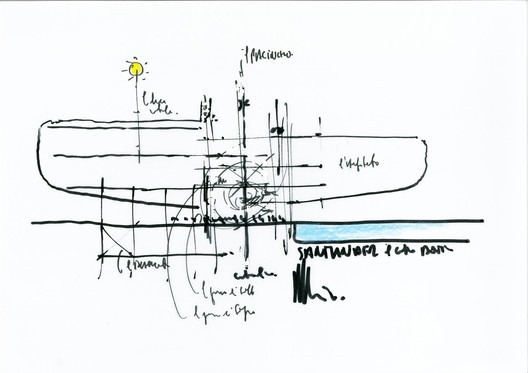
I believe we are leaving behind a very formalistic period that has overlooked the fundamental considerations of architecture, already defined centuries ago by Vitruvius Firmitas, Utilitas, Venustas (Firmness, Utility, Beauty). Left behind the concept as the idea of a supposedly artistic drawing that formally defines the project that is beginning to emerge. Concept is more the core, abstract idea or vision guiding a design, acting as a foundational story or principle that informs all decisions about form, function, and aesthetics.
When you look and come to know masterpieces of architecture along the history you can realize that concept if far beyond the form. Parthenon, Pantheon, Agia Sophia, Bramante’s tempietto, Taj Mahal, Katsura or Guggenheim NYC. In the age of the image some look desperately for a form to stand out from others, something that catch attention online. That has nothing to do with concept.