


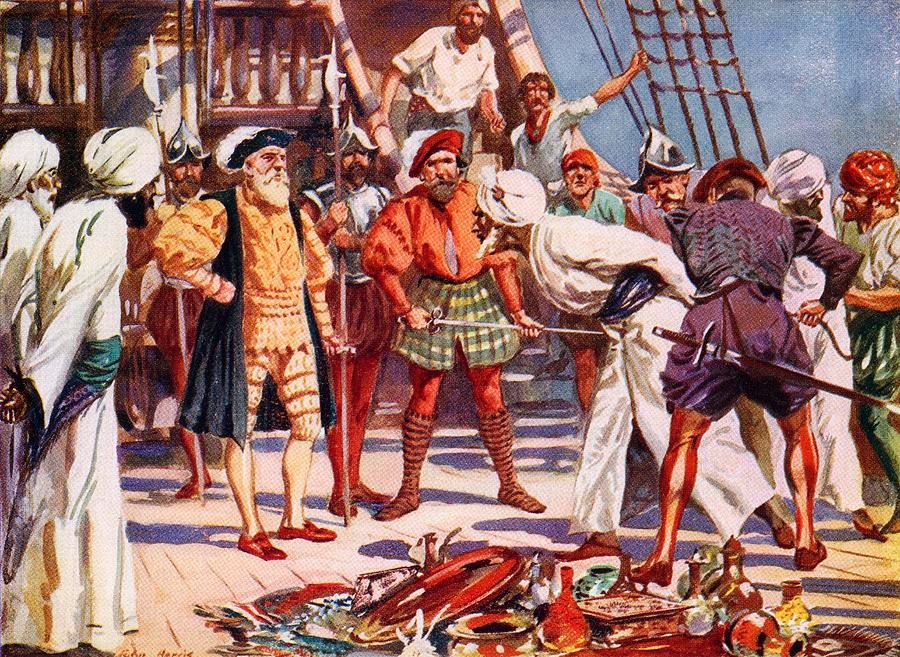
I arrived in Calicut, a city steeped in history, appearing in ancient chronicles, a vital commercial port connected to distant lands, and I found a modern, disorganized city, mostly lacking any noteworthy heritage and in full growth. What has happened? Why has the heritage disappeared or deteriorated? The relationship with the past is essential to understanding the present and projecting the future. Collective memory influences the identity, culture, and decision-making of a society.
Much has been destroyed, but there are still things to preserve. Not as a static, meaningless model, an empty attraction, but as a living element, a witness to other eras. Heritage is a legacy that needs to be maintained and passed on to future generations.
Tradition vs Modernity?
In old Calicut, local tradition, the very interesting and intelligent local architecture, is giving way to a dreary series of repetitive commercial spaces facing our streets. The deterioration of the city's image is evident to the visitor.
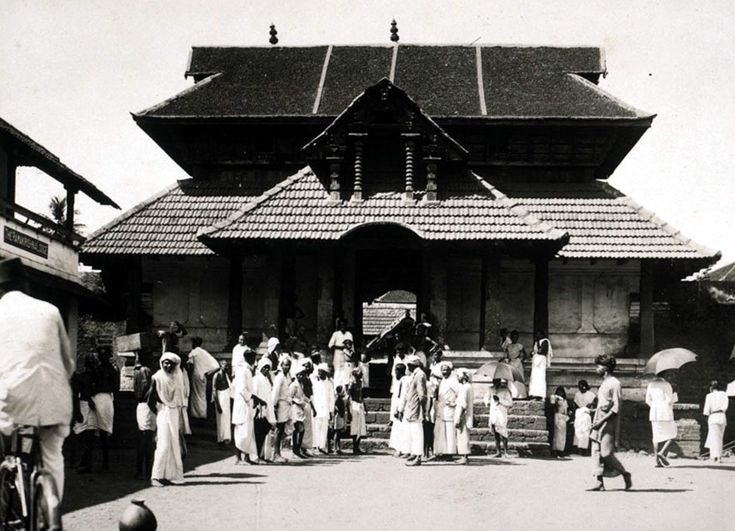
The city can grow without having to do so at its own expense. It is a mistake to think that conservation hinders economic growth. Just look at Kochi, which has successfully preserved part of its past and is now a leading cultural and tourist destination. Maintenance has its costs, but also its rewards.
A Holistic Approach
Addressing the issue holistically involves conducting an economic assessment, carrying out environmental studies, and preparing a comprehensive plan. It requires collaboration between public and private investment. It means preserving not only individual pieces but entire areas, restoring buildings and the urban fabric, adaptive reuse, zoning, and integrating new architecture. It is a collective effort that will maintain cultural identity and benefit everyone. There are already many examples around the world, and Calicut is in a position to follow them.
The city can expand and flourish without destroying its legacy.
But let's not think this is an effort that others have to make; we can all participate and do our part. In our case, this means studying and learning about the local architectural tradition and understanding the construction process in relation to the available elements and materials. Uses and relations may have changed but environment and materials are the same. Of course, we can implement new materials and techniques but with the knowledge of the tradition.