


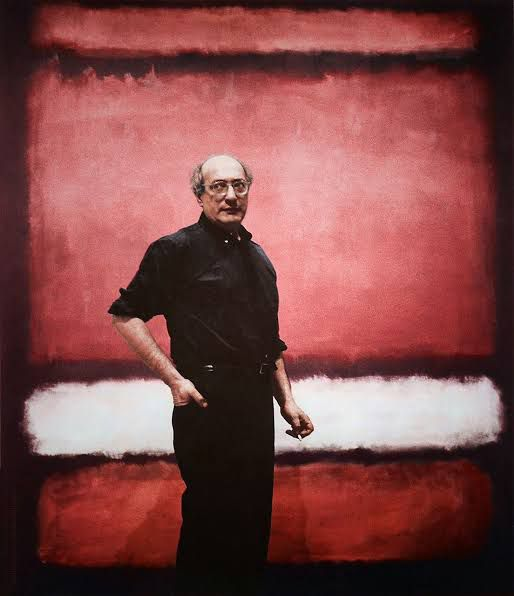
Color as universal emotional mood. A Chinese movie of 2,000 and American painter of the mid XX century, different art forms, share the evocative power of the color as part of their language. Two of the greatest colorists in their respective fields.
Color is part of the language of art, including architecture, a form of visual communication with its own grammar, phonetics, and semantics. Color organizes composition and constructs space. Tone and intensity communicate emotions and meanings, transforming space and its perception. Color as a symbol that changes according to context and era. A code for telling stories. A communicator of emotions.
Rothko
Color as the subject of the artistic act itself. For him art was a spiritual experience. On large formats, the painter applies thin layers that dry quickly and do not mix, superimposing layers that make the background and the forms interact, differentiating the background and making the patches of color float ethereally.
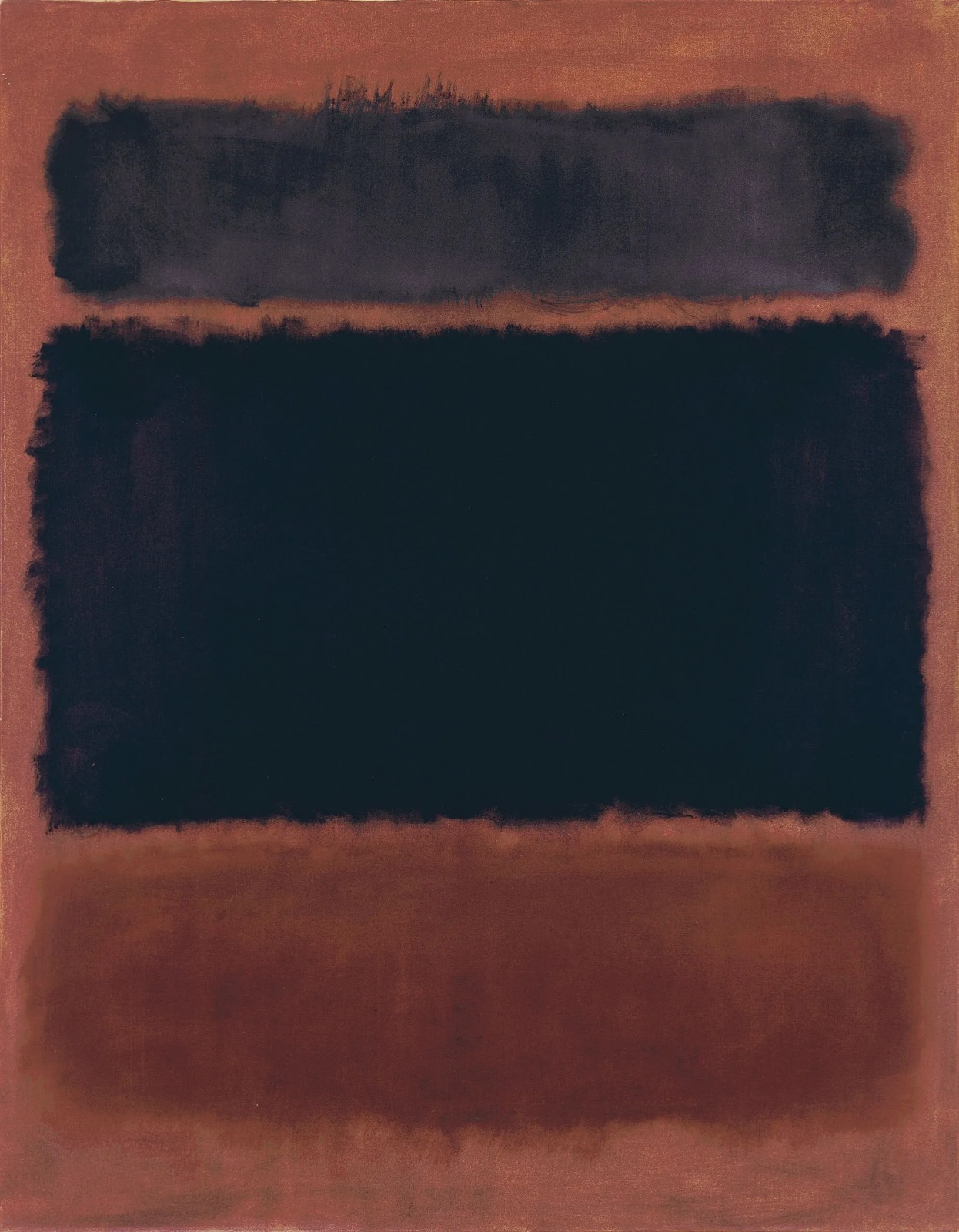
In 1964 Rothko began working on canvases for a windowless, geometric, postmodern, nondenominational chapel in Houston, Texas. Rothko said his work for this space would be his single most important artistic statement. The chapel was meant to be a place of pilgrimage. 14 large scale canvases that are a window to beyond. Color and silence.
We can talk about the anecdote of the visit with my father in the early 90s.
Wong Kar Wai
Color as a story telling tool in which colours segue and blur into each other. Wong Kar Wai’s 2000 masterwork has influenced filmmakers ranging from Barry Jenkins to Sofia Coppola or aesthetic is easily spotted online across platforms.

The use of colors functions as a visual language that tells the story, complementing or even replacing dialogue. The greens and the reds. The music and the silence, the color and the emptiness mark the development of the footage.
The way the colors blend and contrast creates a sense of longing and melancholy that stays with the viewer long after watching the film. Color expands the psychological dimensions of the film's characters' desires and emotions, and its presence as an ideogram serves primarily as symbolic and referential. He fully exploits the aesthetic value and symbolic significance of colour imagery. Color and silence supported by the soundtrack.